
In the age of constant connectivity, the internet is no longer just a tool—it is a street, a city, a landscape where young people walk every day without maps. Children and adolescents move with curiosity, yet often without guidance, into spaces that are as vivid as they are perilous.
This is not merely a call for digital literacy; it is a call to rethink priorities. While cities invest billions in infrastructure, roads, and taxis, we often neglect what truly shapes human perception: art, culture, and shared reflection. Tere’s warning is clear—investing only in material structures, without cultivating awareness, can perpetuate the wrong pathways.
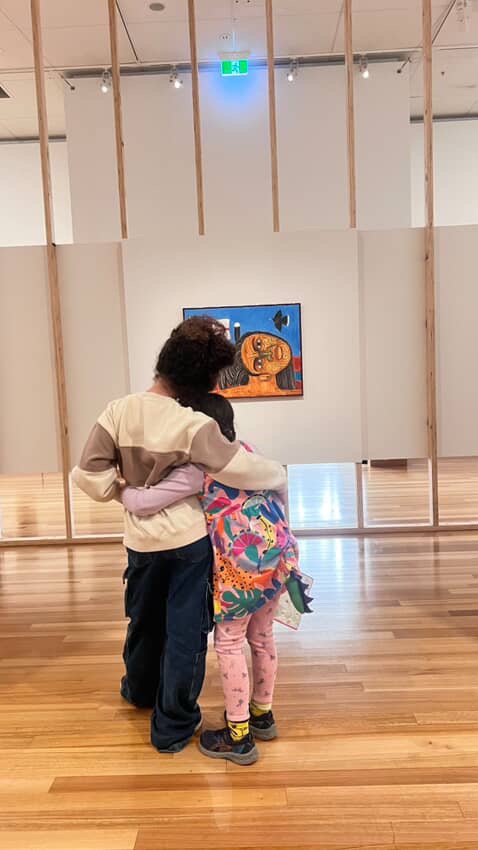
Art becomes more than aesthetic; it is pedagogy, intervention, and resistance. Through creative engagement, children—and the adults guiding them—learn to question, reflect, and act responsibly within their environment. Culture awakens critical consciousness where infrastructure alone cannot.
This reflection challenges us: if we want a safer, more humane future, we must cultivate spaces that teach empathy, critical thinking, and awareness. Protecting our youth online, and in life, is inseparable from investing in art and culture as central pillars of education and urban life.
The streets we build—digital or physical—mirror the values we choose to embed. Let us embed reflection, imagination, and the power of human creativity.
 Rupture Magazine
Leave a comment